
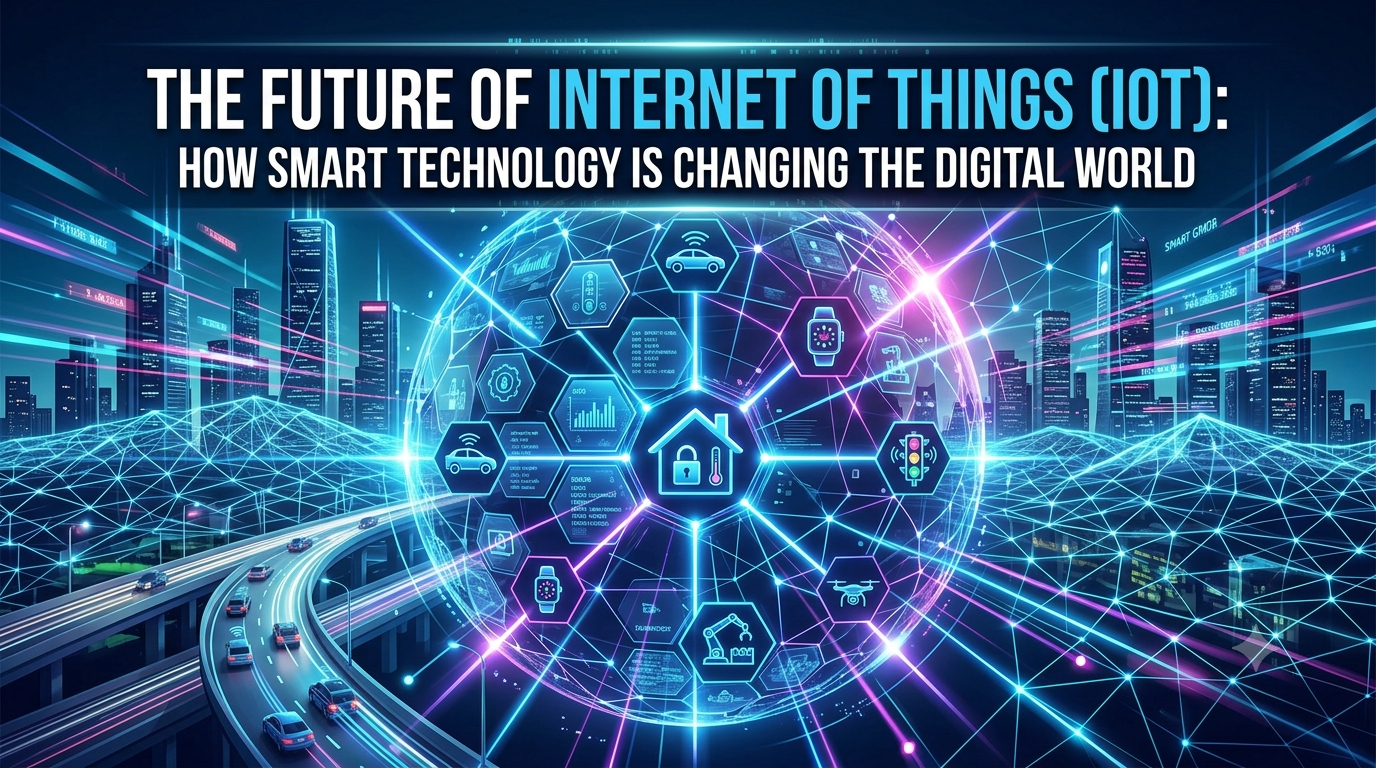
The Internet of Things (IoT) is one of the most significant technological advancements of the modern era. It refers to a network of physical devices that are connected to the internet and can collect, share, and exchange data without requiring constant human interaction. From smart home appliances and wearable fitness trackers to industrial machines and connected vehicles, IoT is transforming the way people live and work.
At its core, IoT enables devices to communicate with one another through sensors, software, and internet connectivity. These smart devices gather real-time information, analyze it, and perform specific tasks automatically. For example, a smart thermostat can adjust your home’s temperature based on your daily routine, while a smartwatch can monitor your heart rate and send health updates directly to your smartphone.
The applications of IoT extend across many industries. In healthcare, connected medical devices allow doctors to monitor patients remotely and provide faster, more personalized care. In agriculture, IoT sensors help farmers track soil moisture, weather conditions, and crop health, leading to improved productivity and reduced waste. Manufacturing companies use IoT technology to monitor equipment performance, predict maintenance needs, and increase operational efficiency. Smart cities also rely on IoT systems to manage traffic, reduce energy consumption, and improve public services.
Despite its many benefits, IoT also presents several challenges. As more devices connect to the internet, the risk of cyberattacks and data breaches increases. Protecting user data, ensuring device security, and maintaining privacy are essential concerns for both manufacturers and consumers. Strong encryption, regular software updates, and secure authentication methods are necessary to reduce these risks.
The future of IoT looks incredibly promising. Emerging technologies such as Artificial Intelligence (AI), 5G networks, and edge computing are making IoT systems faster, more intelligent, and more reliable. These innovations will support advanced applications, including autonomous vehicles, smart factories, remote healthcare, and fully connected urban environments.
In conclusion, the Internet of Things is reshaping the digital world by connecting devices, improving efficiency, and enabling smarter decision-making. As technology continues to evolve, IoT will play an even greater role in creating innovative solutions for businesses, governments, and individuals. Understanding IoT and adopting secure practices will help users take full advantage of this revolutionary technology while minimizing potential risks.